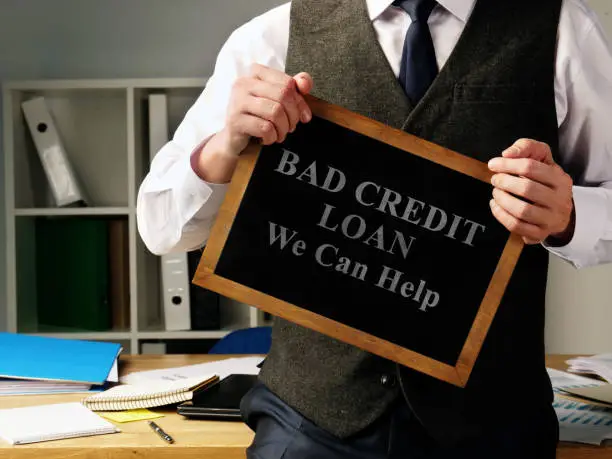

Being turned down for a business loan can be frustrating, especially when your business is still bringing in customers and making sales. You might have a solid plan for expansion, equipment that needs replacing, or an unexpected expense that can’t wait. Yet one poor credit history can make traditional financing difficult to obtain.
For Australian business owners facing this situation, specialist finance providers may offer another option. The key is knowing when their services make sense, what lenders actually look for, and how to avoid borrowing on terms that could create bigger problems later.
Why Bad Credit Doesn’t Always Mean No Finance
Traditional banks generally assess several factors before approving business finance. Credit history is one of them, alongside income, existing debts, business performance, and the ability to make repayments.
A business owner might have a low credit score because of missed payments, previous financial difficulties, or a period when business revenue dropped unexpectedly.
Consider a small construction company that experienced delayed customer payments during a difficult year. The owner fell behind on several financial obligations but has since secured new contracts and improved cash flow.
A traditional lender might still be concerned about the earlier repayment history. A specialist lender, however, may consider the company’s current trading position, available security, and realistic repayment capacity.
That doesn’t guarantee approval. It simply means different lenders may assess the same situation differently.
When Should You Consider a Bad Credit Finance Specialist?
Not every business with credit problems needs specialist financing. Sometimes, improving your financial position before applying again is the better decision.
There are, however, several circumstances where professional assistance may be useful.
You’ve Already Been Rejected by a Bank
A bank rejection doesn’t necessarily mean every lender will reach the same decision.
Different financial institutions have different lending policies. Some private lenders are prepared to assess applications involving past credit problems, provided the borrower can demonstrate sufficient repayment capacity.
Rather than submitting applications to numerous lenders without understanding their requirements, speaking with Bad Credit Finance Specialists may help you explore lending options suited to your circumstances.
A specialist can also help identify which aspects of your application need attention before approaching another lender.
Your Business Has Improved Since Previous Financial Problems
Credit reports reflect past financial behaviour, but they don’t always tell the full story of how a business is performing now.
Perhaps your company struggled two years ago but currently maintains consistent revenue and manageable expenses.
Some lenders may place greater emphasis on recent financial statements, cash flow, and available assets when assessing your application.
You’ll still need to explain previous financial problems honestly. Showing evidence of improvement can make that explanation more convincing.
You Have Property or Other Assets Available as Security
Secured business lending can sometimes provide options that aren’t available through unsecured finance.
For example, a business owner with sufficient equity in commercial or residential property may be able to offer that property as security, subject to the lender’s requirements.
Security can reduce a lender’s potential loss if repayments aren’t made. However, it also creates a serious obligation for the borrower.
If the loan goes into default, the secured property may be at risk.
This makes it particularly important to understand the agreement before proceeding.
What Do Specialist Lenders Look For?
A poor credit score doesn’t automatically prevent an application from being considered. But lenders still need reasonable confidence that the borrower can repay the money.
Several factors may influence their assessment.
Current business cash flow: Lenders may review bank statements to understand how much money enters and leaves the business each month.
Existing financial commitments: Outstanding loans, supplier payments, and other obligations affect how much additional debt the business can reasonably manage.
Available security: Property or other acceptable assets may support certain secured lending arrangements.
Purpose of borrowing: Funding equipment, purchasing stock, or covering a temporary cash flow shortage can present different levels of risk.
Repayment strategy: Lenders generally want to understand where repayments will come from, particularly when the business has experienced previous financial difficulties.
Preparing this information before applying can save time and help you identify whether borrowing is realistic.
The Hidden Costs You Should Check Before Signing
Access to finance is only useful when the repayment terms make financial sense.
Bad credit business loans may carry higher interest rates or additional charges because lenders consider the borrowing arrangement riskier.
One common mistake is focusing entirely on how quickly the money can be obtained.
Imagine borrowing $80,000 to purchase equipment. The machinery might increase productivity, but the loan could still put pressure on the business if repayments are too high during slower months.
Before accepting an offer, examine the total repayment amount rather than looking only at the advertised interest rate.
Ask about establishment fees, brokerage charges, valuation costs, ongoing account fees, and early repayment conditions.
It’s also important to understand whether the interest rate is fixed or variable and what happens if a payment is missed.
If property is involved, consider obtaining independent legal advice before signing security documents.
How to Prepare a Stronger Loan Application
Even when applying through a specialist lender, preparation matters.
Start by checking your personal and business credit information for inaccuracies. Australian credit reporting arrangements vary, so understanding what appears on your report can help you explain previous problems.
Next, review your recent bank statements. Look for irregular deposits, frequent overdraft usage, and expenses that might raise questions.
You should also prepare current financial records, including profit and loss statements where available.
Be realistic about the amount you need.
Borrowing $150,000 when your business can comfortably manage repayments on only $70,000 creates unnecessary financial pressure.
A smaller facility with manageable repayments may be more valuable than a larger loan that stretches your cash flow.
Finally, prepare a straightforward explanation of any previous credit problems. You don’t need an elaborate story. Lenders generally benefit from understanding what happened, what’s changed, and how future repayments will be supported.
When Borrowing Might Be the Wrong Decision
There are situations where taking on additional debt could make matters worse.
If your business consistently spends more than it earns, a new loan might only delay an underlying problem.
The same applies when borrowed funds would mainly be used to repay existing loans without a credible plan to improve cash flow.
Before applying, ask yourself whether the money will help generate income, protect an essential business operation, or address a genuinely temporary funding gap.
If the answer is unclear, consider reviewing your finances with a qualified accountant or financial adviser first.
Sometimes, negotiating payment arrangements with creditors or reducing expenses is a safer approach than accepting expensive finance.
Choosing a Specialist Who Understands Your Situation
A suitable finance specialist should take time to understand your business rather than immediately pushing a particular loan product.
Ask how lenders are selected, what fees apply, and whether the specialist receives commissions from lenders.
You should also request clear explanations of the loan structure, security requirements, and potential consequences of default.
Be cautious about promises of guaranteed approval. Legitimate lending decisions depend on the borrower’s circumstances and the lender’s assessment.
Good communication matters too. You should feel comfortable asking questions and receiving clear answers before making any commitment.
Final Thoughts
Having bad credit can make business borrowing more difficult, but it doesn’t necessarily eliminate every financing option.
Specialist lenders may consider current cash flow, available security, and business circumstances that traditional banks assess differently.
Still, securing approval shouldn’t be the only goal. The loan needs to be affordable, appropriate for its intended purpose, and supported by a realistic repayment plan.
Take time to compare the full costs, understand the risks, and seek independent advice when necessary. The right financing decision should support your business’s future rather than place its financial stability under greater pressure.
Read more: Keywords for Estimation That Actually Convert
Search Intent Beats Search Volume When You’re Selling Something Specialised
Beyond the Baseball Cap: How Headwear Became a Category of Its Own in Modern Fashion